
Onigiri: what it is, types, fillings and how to prepare it
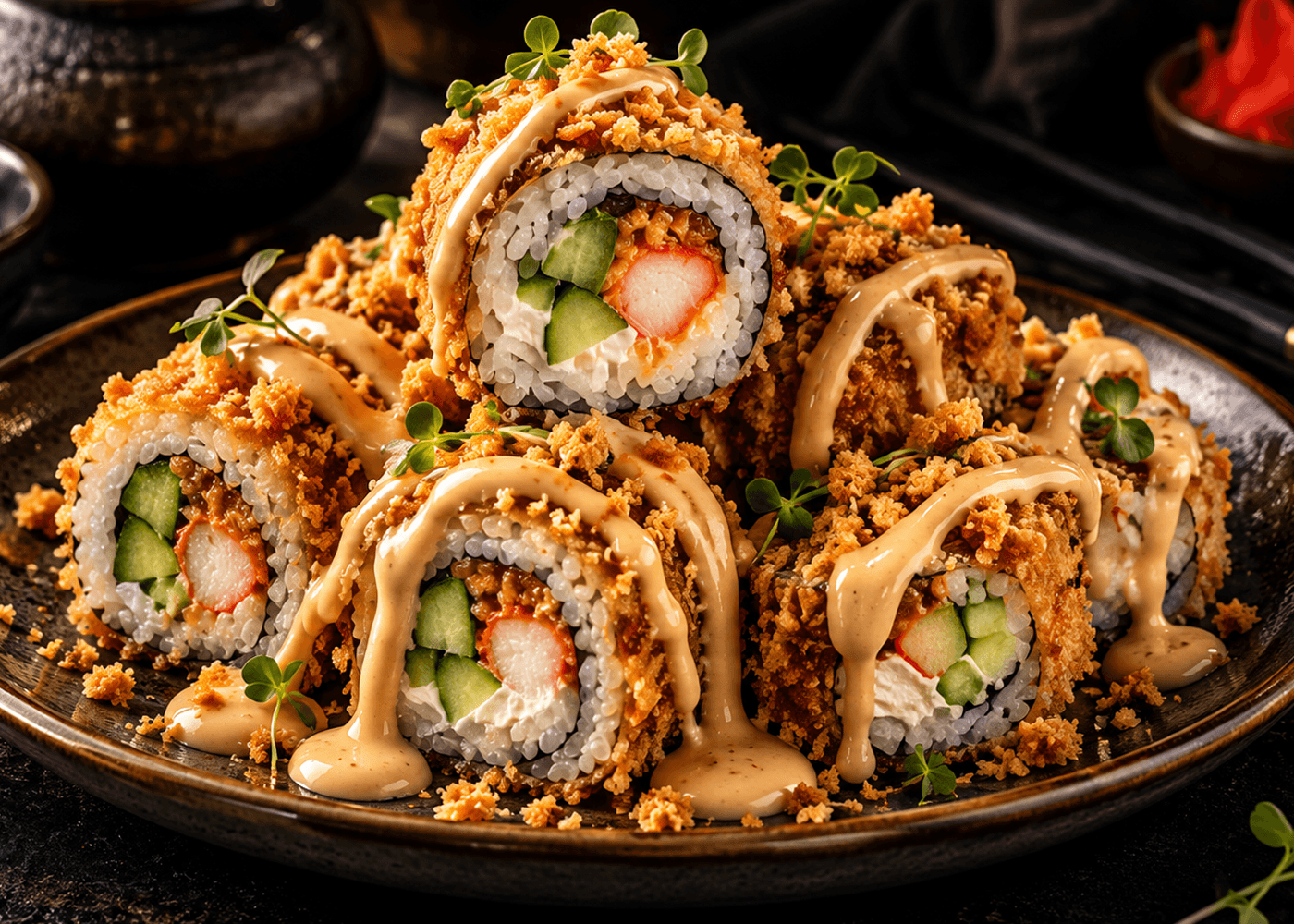
The onigiri is a portion of cooked rice shaped into a triangle or a ball, usually partially wrapped in nori seaweed and filled with fish, meat or vegetable ingredients. It is one of the most common portable foods in the Japanese diet, found in homes and convenience stores alike.
Onigiri have been part of Japanese cuisine for centuries, originally serving as a convenient way to carry and preserve rice. Over time, the snack stopped being a travel resource and became an everyday product with varied fillings and industrial formats.
What it is and how it is eaten
It is a portion of round-grain rice cooked without vinegar, distinct in that respect from the rice that underpins sushi. It is eaten by hand, unwrapping the seaweed at the moment of eating so it keeps its crunch, and it is served at room temperature or slightly warm.
The onigiri recipe: the rice base
The recipe for onigiri starts with round-grain rice rinsed until the water runs clear. Rinsing removes surface starch and prevents a pasty result after shaping.
- Round-grain rice: 300 grams.
- Water: 330 milliliters for cooking.
- Salt: half a teaspoon, dissolved in the shaping water.
- Nori seaweed: one sheet per piece.
- Filling: between 40 and 60 grams per unit.
The rice is cooked with the lid on, left to rest for ten minutes and spread out to cool slightly. Hands are moistened in salted water before each shaping: this keeps the grain from sticking to the skin and provides the touch of salt the preparation requires.
Fillings: the usual combinations
The most widespread filled onigiri in Japan mixes canned tuna with mayonnaise; the filling is placed in the center before closing the shape. The proportion is best kept moderate so the structure does not open up.
The tuna onigiri formula admits variations: tuna dressed with soy sauce, with wasabi or with a thread of sesame oil. Each version changes the profile without altering the process.
Salmon onigiri is made with cooked salmon, flaked and mixed with toasted sesame seeds. Smoked salmon can also be used, but it should be added sparingly so its strong flavor does not overpower the rice.
The chicken onigiri uses flaked thigh sautéed with teriyaki sauce, a frequent combination in the industrial formats sold in Spain. The meat must drain well so it does not moisten the grain.
Other frequent combinations are umeboshi plum, scrambled egg with soy sauce, mentaiko paste and candied konbu. The variety of fillings explains its constant presence in everyday Japanese eating.
Shape: hands or an onigiri mold
The plastic utensil produces uniform triangles: it is filled halfway, the filling is placed inside, it is covered with more rice and the latch is pressed. The pressure should be brief; compacting too much hardens the bite.
The search «onigiri mold» returns plastic, silicone and wooden variants. Any of them works as long as the rice retains its texture; the main difference between the molds is convenience rather than the final result.
Shaping by hand demands technique: first a base is formed, the center is pressed in with the thumb, the filling is inserted and the rice is closed over it with both palms, turning the piece to compact the three sides evenly.
Yaki onigiri: the grilled version
This version is obtained by browning the rice triangle in a pan with a few drops of sesame oil, on both sides, until the surface develops a toasted crust. Some versions are brushed with soy sauce while browning.
The fried onigiri, for its part, is associated with Kyoto cuisine: the triangle is coated and fried until golden, producing a crispy exterior texture that contrasts with the soft rice inside. It is served warm, never straight out of the oil.
A clarification about its name
The expression onigiri sushi appears in some search engines, although it is imprecise: the rice in the triangle is not seasoned with vinegar, so onigiri is not technically a type of sushi. The confusion comes from the commercial section where the product is usually placed.
Onigiri at Carrefour and other buying options
Carrefour sells refrigerated versions in its Japanese food section, alongside specialized brands. The precooked product is best consumed before the date on the package and, where applicable, heated following the manufacturer's instructions.
Asian grocery stores and Japanese food delivery services offer additional ways to buy onigiri in Spain, including freshly prepared options that do not require industrial-scale refrigeration.
Home storage
To freeze homemade pieces, it is advisable to wrap each one separately in film and keep the nori seaweed out of the freezer, placing it at the moment of serving. This preserves both the texture of the rice and the crunch of the seaweed.
Conclusion
In short, it is a simple preparation that demands three things done right: round-grain rice without vinegar, a measured filling and shaping without over-compacting. Those who prefer to try it made by professionals can check the offering of Kaifu Sushi in Alicante, Benidorm, Torrevieja and Valencia.
Frequently asked questions
Round-grain rice is cooked without vinegar, left to cool slightly, the hands are moistened in salted water and a triangle is formed with the filling in the center. It is wrapped in nori seaweed before eating.
It is thawed in the refrigerator overnight and consumed within the following twenty-four hours. It can also be reheated directly in the microwave, covered with a damp cloth to prevent the rice from drying out.
Discover authentic Japanese flavors — from fresh sushi and sashimi to your favorite hot dishes delivered to your door
Order Delivery
Camila Ortiz
Author, Customer Manager
Customer care expert. Writing about food, service quality, and user experiences.
 Share the article
Cart

Your cart is empty
The minimum order amount depends on the selected delivery area