
Sashimi: the essence of the dish, popular types and how it differs from sushi
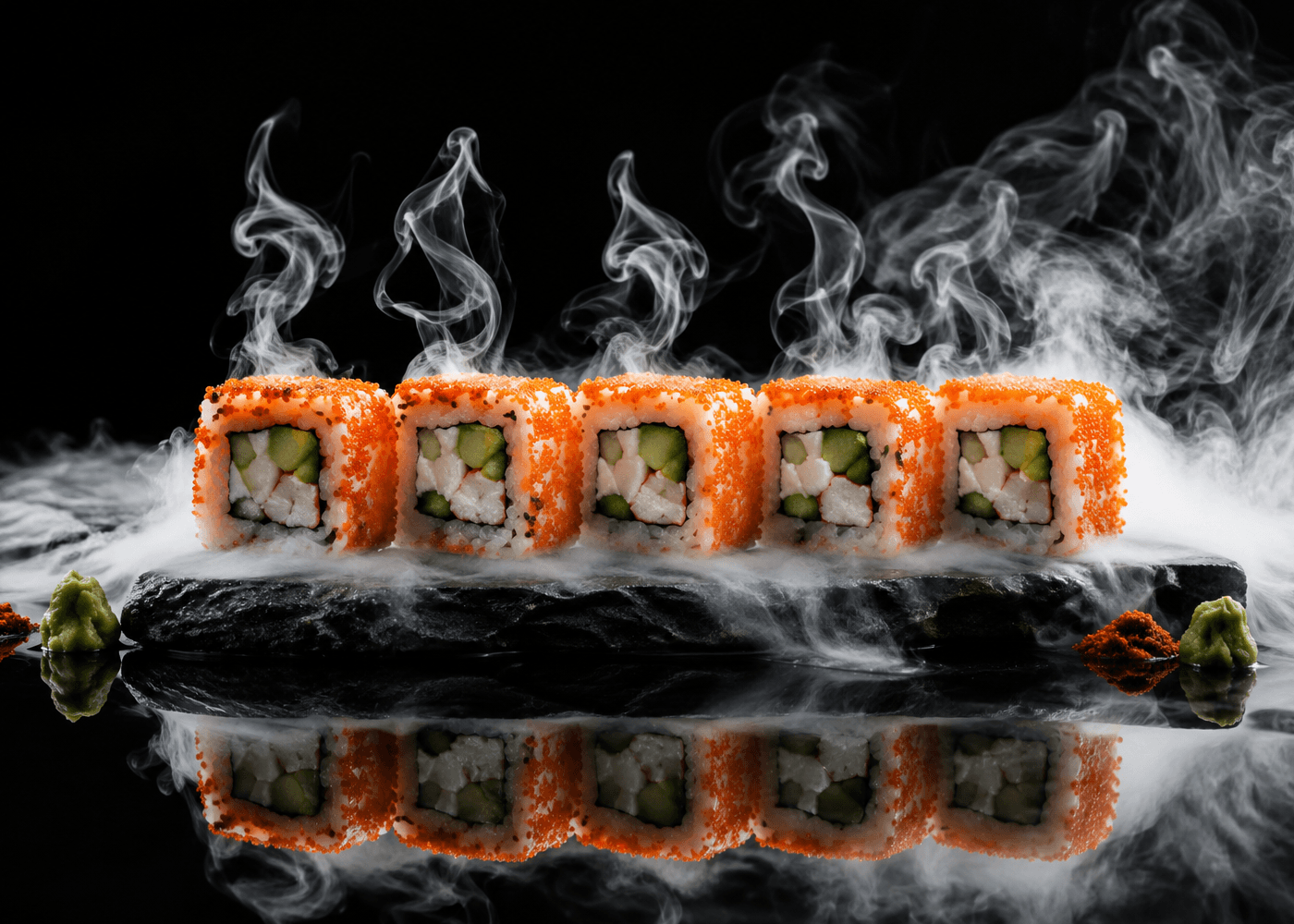
Sashimi is one of the jewels of Japanese cuisine: thin slices of the freshest, highest-quality fish, served without rice and accompanied by soy sauce, wasabi, and pickled ginger. Its simplicity is its greatest virtue: every bite offers the pure flavor of the finest the sea has to offer.
When someone searches for the raw fish name of Japan's most elegant dish, the answer always points to this delicacy. The freshness of the fish, the precise cut, and a careful presentation make the sashimi dish an unforgettable gastronomic experience.
Discover what sashimi is and why it is so loved
Anyone wondering what sashimi means discovers centuries of tradition: thin slices of fresh fish or seafood, cut with a special knife and served over shredded daikon or shiso leaves, without rice or seaweed.
People often mix up the terms sashimi sushi, but they are different dishes — and both are delicious. Anyone wondering what sushi is should know that it always includes vinegared rice, while sashimi shines for its purity: only the finest fish, at its perfect point.
The best salmon sashimi and its delicate flavor
Among all the varieties, salmon is the absolute favorite in Europe, and a fresh sashimi made from this fish is always a safe bet. Its buttery texture, bright orange color, and mild flavor make it the perfect choice for beginners and experts alike.
Quality salmon sashimi is recognizable at a glance: natural shine, fresh aroma, and a thick cut that highlights the fish's delicate fat. This quintessential Japanese fish is a wonderful source of omega-3 and pure gastronomic pleasure.
Varieties like tuna sashimi for every taste
Among the most appreciated types of sashimi, the world of raw tuna is fascinating: the lean part (akami) offers a clean, deep flavor, while fatty cuts like toro are true delicacies that melt on the palate.
Beyond tasty tuna sashimi, there are plenty of great options to explore:
- Salmon: mild, buttery, and always fresh
- Bluefin tuna: intense and elegant, the classic of Japan
- Sea bass: sea bass sashimi surprises with its delicacy and firm texture
- Octopus, scallop, or sweet shrimp: unique nuances for the most curious
An assorted sashimi platter is the best way to enjoy several types in a single presentation: a feast of colors and fresh flavors to share.
Understanding the sashimi vs sushi vs nigiri differences made easy
Understanding these differences is very easy if you look at one detail: rice, which authentic Japanese sashimi never includes. Sushi is the general category that always includes it; nigiri is a hand-molded portion of rice with a slice of fish on top; sashimi is just fresh fish, pure and simple.
In short, the sashimi vs sushi vs nigiri comparison comes down to this:
- Sashimi: slices of fresh fish, no rice
- Nigiri: vinegared rice with fish on top
- Sushi: the general term for dishes with vinegared rice
The sashimi vs sushi vs maki comparison explained simply
Maki adds one more element compared to these two dishes: the nori seaweed that wraps rice and filling into a delicious roll. Original sashimi, on the other hand, is presented in open slices on the plate, showing off all the freshness of the fish.
The sashimi vs nigiri contrast at the table is also interesting: nigiri balances rice and fish in every bite, while sashimi offers the purest flavor of the sea, enhanced only by soy sauce and wasabi.
Nigiri vs sashimi: two different delights
The choice between these two dishes depends on the moment. Nigiri is more complete and filling thanks to the rice; the best sashimi is the ideal option for purists and for those who prefer light, low-carb dishes.
For example, a good bluefin tuna sashimi lets you appreciate its deep, elegant flavor without distractions. The great advantage is that both dishes combine perfectly in the same meal.
Learn how to make salmon sashimi step by step
Anyone looking for an easy sashimi recipe will find that making it at home is simpler than it seems. The secret is choosing quality salmon, suitable for raw consumption and previously blast-frozen according to food safety regulations.
To prepare a perfect salmon sashimi, just follow these steps:
- Choose a fresh salmon loin, glossy and without a strong smell
- Chill the fish well to make a clean cut easier
- Cut with a long, very sharp knife, in a single motion and against the grain
- Make slices about 5 millimeters thick
- Serve immediately with soy sauce, wasabi, and pickled ginger
Perfect accompaniments for tuna sashimi and more
A premium sashimi is traditionally served over shredded daikon, with shiso leaves and thin strips of cucumber or carrot that add freshness and color to the whole. A beautiful presentation that enhances the product.
The same elegant presentation works with salmon sashimi and with any quality fresh fish: the golden rule is that the accompaniment never overshadows the star of the dish, but celebrates its natural flavor.
Conclusion
Sashimi is the purest and most delicious expression of Japanese cuisine: the highest-quality fresh fish, precisely cut and served without rice. Salmon, tuna, bluefin tuna, or sea bass are just some of the varieties that make it special, and its difference from sushi, nigiri, or maki always lies in its purity. What's more, preparing a homemade sashimi is a rewarding experience. Anyone wishing to try it prepared with fresh produce can enjoy it on the Kaifu Sushi menu in Alicante, Benidorm, Torrevieja, and Valencia.
Frequently Asked Questions
It is a Japanese dish of thin slices of fresh fish or seafood, served without rice with soy sauce and wasabi.
It is a traditional Japanese preparation, with centuries of history, based on the precise cutting of the freshest, highest-quality fish.
It is served with shredded daikon, shiso leaves, soy sauce, wasabi, and pickled ginger.
By using blast-frozen fish suitable for raw consumption and a long, well-sharpened knife, cutting against the grain.
Tataki is briefly seared over fire and stays raw inside, while sashimi is served completely raw and fresh.

Camila Ortiz
Author, Customer Manager
Customer care expert. Writing about food, service quality, and user experiences.
 Share the article
Cart

Your cart is empty
The minimum order amount depends on the selected delivery area