
Tuna tataki: what it is, how it is prepared, recipe and types
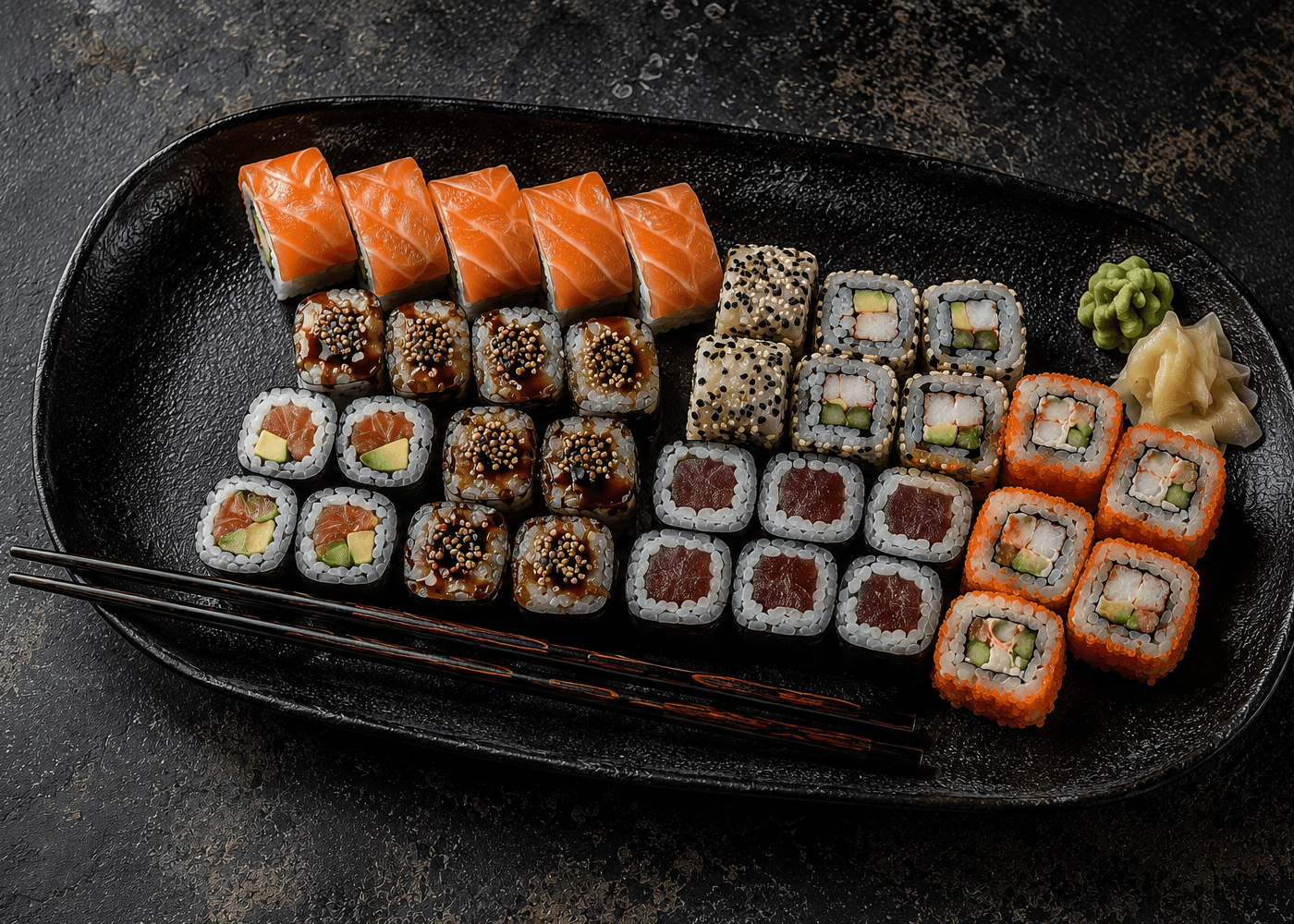
Tuna tataki is a Japanese dish made with a tuna loin whose surface is briefly seared, while the inside remains raw. It is served cut into thin slices and dressed with citrus preparations, soy sauce or ponzu sauce.
Tataki: origin of the technique
The method is associated with the Japanese region of Kōchi, where fish began to be seared over intense heat before consumption, a practice linked to reducing risks associated with raw fish. The word comes from the verb tataku, used to describe the tapping traditionally used in its preparation.
Bluefin tuna tataki: choosing the fish
The piece most frequently used is the bluefin tuna loin (Thunnus thynnus). In Spanish culinary practice, the term "tuna tataki" refers to the same preparation, regardless of the specific tuna species used.
The selection of the loin determines the result: a compact piece is desirable, with fat evenly distributed and no loose fibers, so that slicing into thin pieces maintains the structure after searing.
Safe consumption of raw fish
Regulations require food business operators who prepare fishery products intended for raw consumption to apply a freezing treatment at -20 °C for 24 hours or at -35 °C for at least 15 hours. In domestic freezers, an alternative and safe treatment is to freeze at -15 °C or lower for at least 4 days. Pregnant women should avoid raw fish (such as sushi, sashimi, carpaccio).
Tuna tataki recipe step by step
Spanish search engines record the query "tataki atun" —written without an accent— with a significant search volume; it corresponds to the same dish described in this guide.
- Remove the loin from the refrigerator thirty minutes before cooking it.
- Sear it in a very hot frying pan, thirty seconds on each side.
- Stop the cooking by immersing the piece in ice water.
- Drain and cut into slices of approximately five millimeters.
- Distribute the chosen dressing just before serving.
The critical point of the procedure is searing: exceeding the indicated time changes the texture of the inside, which must remain raw. Immediate cooling sets the doneness and makes cutting easier.
Salmon tataki: adaptation with aquaculture fish
The version made with salmon is more affordable than the bluefin tuna one and accepts the same searing procedure. The search "tataki salmon", common among users in Spain, refers to this dish, which is often served on a bed of arugula or with toasted sesame.
Beef tataki: the meat option
Meat tataki is made with beef tenderloin, a lean cut that tolerates exterior searing well without losing juiciness inside. The procedure replicates that of fish, with the exception that the final cut is made into slightly thicker slices.
Other varieties and presentations
Bonito tataki is the historical reference for the technique in Japan, made with the local species from the coast of Kōchi. On the Iberian Peninsula it is less common, although some establishments offer it as a seasonal alternative.
A common presentation in Spanish restaurants is tuna tataki with avocado: slices of fish arranged over avocado slices, with sesame and a drizzle of soy sauce. The fat of the avocado balances the acidity of the dressing.
Differences from other cuts
The difference between tartare and tataki lies in the cut and the heat treatment. Tartare is served in small cubes, completely raw and mixed with dressing; the latter is presented in slices from a partially seared loin, with the dressing added at the end.
Conclusion
In summary, the preparation described combines minimal heat treatment, a precise cut and a citrus dressing. Making it at home requires control of the cooking time and cooling. Those who prefer to taste it prepared by professionals can consult the offering of Kaifu Sushi in Alicante, Benidorm, Torrevieja and Valencia.
Frequently asked questions
It is a dish of Japanese origin consisting of a fish or meat loin with a seared surface and a raw interior, cut into slices and dressed before serving.
The loin is seared in a hot frying pan for a few seconds on each side, cooled in an ice bath, cut into slices and dressed. The entire process takes no more than twenty minutes.

Camila Ortiz
Author, Customer Manager
Customer care expert. Writing about food, service quality, and user experiences.
 Share the article
Cart

Your cart is empty
The minimum order amount depends on the selected delivery area